Countless viruses, bacteria, and other microscopic germs are scattered around us every day. Various germs can enter our body while breathing, eating, going outside, or coming into contact with other people. But we do not fall ill every time we come into contact with germs. The sole reason for this is that the immune system, or the body’s defense mechanism, is on 24-hour vigilant guard inside our body. It helps identify harmful pathogens entering the body, build a response against them, and fight against infections. This system includes the skin, mucous membranes, white blood cells, antibodies, and various types of defense cells.
The ultimate goal of Preventive Care is to understand how the normal functioning of the immune system can be maintained and the risk of infection can be reduced through simple changes in daily life.
How Does the Immune System Work?
Our immune system is mainly a complex communication network composed of the bone marrow, thymus gland, spleen, lymphatic system, skin, and trillions of cells in the gut. Our immune system primarily works through two interrelated components:
1. Innate Immunity
This acts as the body’s primary defense. The skin, mucus inside the nose, stomach acid, and certain immune cells are part of it. These are capable of preventing various germs from entering the body.
2. Adaptive Immunity
When ordinary white blood cells cannot stop the germs, T-Cells and B-Cells present in the body take charge. B-cells scan the protein of each specific pathogen and produce precise antibodies for it. And T-cells identify and destroy the body cells in which viruses hide.
For this reason, the goal of boosting immunity is to keep the body’s natural defense system healthy. In some cases, an overactive immune system can also cause harm to the body.
Maintain Nutritional Balance in Daily Food
Adequate nutrition is required by the body to maintain the normal function of the immune system. Various nutrients, including vitamins, minerals, and proteins, play an important role in the creation and proper functioning of the different cells and defense components of our immune system.
However, it must be remembered that immunity does not suddenly increase just by consuming a single food or vitamin. Rather, keeping a variety of nutritious foods in your daily diet and avoiding nutritional deficiencies is most important.
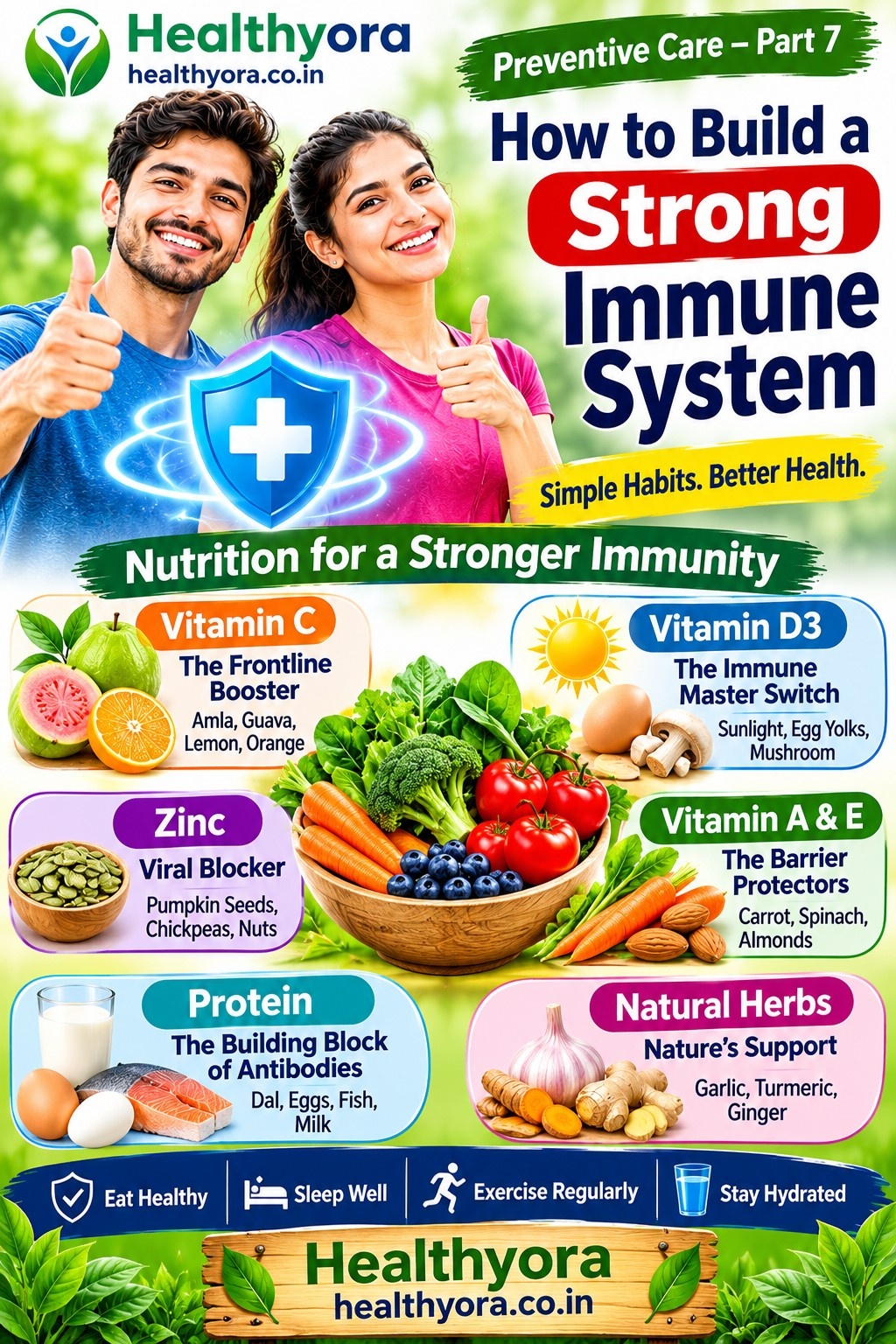
1. Vitamin C (Supporting Immune Function)
Vitamin C is an important antioxidant. It helps protect body cells from oxidative damage and plays a role in the normal function of white blood cells. Additionally, it is necessary to maintain the normal structure of the skin and other protective tissues.
- Sources: Amla (Indian gooseberry), guava, lemon, orange, papaya, green chilies, tomatoes, and other fresh fruits and vegetables.
2. Vitamin D (Supporting Immune Regulation)
Vitamin D is not only important for bones and teeth; it also plays a role in the normal regulation of the immune system. A deficiency of Vitamin D in the body may be associated with an increased risk or complications of certain infections. However, it is not possible to prevent all types of infections simply by consuming Vitamin D.
- Sources: Exposure to sunlight at appropriate times, egg yolk, fatty fish, Vitamin D-fortified milk or other foods, and certain mushrooms grown under UV light.
Whether there is a Vitamin D deficiency in the body can be tested under a doctor’s advice as needed. Do not take high-dose supplements on your own.
3. Zinc (Essential for Immune Cell Function)
Zinc is an essential mineral that aids in cell growth, division, wound healing, and the normal functioning of the immune system. Specifically, adequate zinc is necessary for the structure and function of various immune cells.
- Sources: Pumpkin seeds, chickpeas, lentils, kidney beans, almonds, flax seeds, whole grains, eggs, and dairy foods.
A deficiency of zinc can disrupt the normal activity of the immune system. However, there is no evidence that taking excess zinc supplements will increase immunity.
4. Vitamin A & E (Supporting Cellular Protection)
Vitamin A helps maintain the normal health of the mucous membranes of the skin, nose, lungs, and intestines. These linings act as part of the body’s primary defense and help block the entry of pathogens.
On the other hand, Vitamin E is an antioxidant. It plays a role in protecting cell membranes from oxidative damage and maintaining the normal function of the immune system.
- Sources: Carrots, sweet potatoes, pumpkin, spinach, other green leafy vegetables, almonds, sunflower seeds, and vegetable oils.
5. Protein (Building Blocks of the Body)
Protein helps build essential components of the body including cells, tissues, enzymes, and antibodies. Without adequate protein, the normal growth, repair, and functioning of the immune system can be affected.
- Sources: Lentils, chickpeas, kidney beans, peas, soybeans, milk, yogurt, paneer (cottage cheese), eggs, fish, and other protein-rich foods according to your dietary preferences.
Keep an appropriate amount of protein in your daily meals. Protein requirements may vary based on age, physical exertion, and health conditions.
6. Natural Herbs and Spices: For Taste and Nutrition
Familiar ingredients like garlic, ginger, and turmeric contain various bio active compounds. In addition to enhancing the flavor of food, they supply certain antioxidants and other beneficial compounds. However, these should not be considered treatments for infections or guaranteed disease preventatives.
- Garlic: Garlic contains various sulfur compounds, including allicin. Garlic can be used in moderation in meals. However, there is no confirmed evidence that eating raw garlic cures viral or bacterial infections.
- Turmeric: Turmeric contains a component called curcumin, which has been researched for antioxidant and inflammation-related properties. However, consuming turmeric in cooking is not a substitute for medical treatment of inflammatory diseases.
- Ginger: Ginger contains various natural compounds, including gingerol. It can be used in foods and beverages. However, claiming that ginger cleanses the lungs or prevents infection is not accurate.
An Important Advice: Give priority to natural whole foods first to meet nutritional needs. Do not take high doses of vitamins, zinc, or herbal supplements without a doctor’s advice. Especially if you have a chronic illness or take regular medication, speak with a doctor before taking supplements.
Remember, for the immune system, no single super food is key; rather, a daily balanced and diverse diet is far more important.
Sleep & Circadian Rhythm: Cellular Repair of Immune Cells
While we sleep, although the body appears externally inactive, internally our immune system is at its most active. Sleep is important for bodily rest, memory, metabolic function, and the immune system. An adult generally requires about 7–9 hours of sleep per night. However, this requirement may vary according to age and individual circumstances. One should go to sleep between 10 PM and 11 PM every day and ensure 7 to 8 hours of uninterrupted sleep. Turn off blue-light screens (mobile/TV) at least one hour before sleeping so that the melatonin hormone can be secreted naturally. Sleeping for only 4 hours a night reduces the activity of the body’s natural killer cells by nearly 70 percent.
Drink Adequate Water
Water is extremely vital to maintain the normal functions of the body. When there is a water deficit in the body, fatigue, dizziness, and other issues can occur. Adequate water is also needed for the normal function of the mucous layer of the nose and respiratory tract and various bodily fluids. How much water is required daily depends on the weather, physical exertion, age, diet, and health conditions. In hot weather or when sweating heavily, the requirement may increase.
Physical Activity
Physical activity is beneficial for the cardiovascular system, muscles, blood circulation, metabolic health, and mental well-being. Regular exercise is an essential part of a healthy lifestyle.
You can start with:
- Walking for 20–30 minutes daily.
- Using the stairs instead of the elevator, if physically suitable.
- Light yoga or stretching.
- Simple exercises at home.
- Standing up and walking around occasionally if sitting and working for long hours.
There is no need to start with difficult exercises right away. You can start with short sessions and gradually increase duration and intensity.
Mental Stress & Cortisol: The Invisible Destroyer of Immunity
One of the major killers of modern life is chronic psychological stress. When work pressure, financial worries, or family instability continue day after day, the brain continuously releases the cortisol hormone into the blood in an effort to cope.
Try to manage mental stress:
- Set aside some time for yourself every day.
- Practice slow breathing exercises.
- Listen to favorite music, read books, or engage in activities like gardening.
- Talk with family and friends.
- Take short breaks during work.
- Do not let work pressure pile up beyond your capacity.
Harmful Habits That Cripple Immunity
Often we fail to stay healthy even after eating nutritious food, because certain toxic habits destroy our immunity through the back door:
1. Excess Sugar & Ultra-Processed Foods
Sweetened beverages, excessive sweets, packaged snacks, and ultra-processed foods high in salt or fat consumed regularly in large quantities cannot be a substitute for a healthy diet.
2. Smoking & Alcohol
The toxic nicotine and tar from smoking burn the cilia of the lungs, allowing dust and viruses to penetrate directly deep into the lungs. Excessive alcohol destroys the gut’s mucosal barrier and disables the liver’s detoxification capacity.
3. Chronic Dehydration (Drinking Less Water)
When there is not enough water in the body, lymphatic drainage slows down, toxin concentration in the blood increases, and the mucous membranes of the eyes, nose, and throat dry up and crack, creating an open gateway for viruses to enter.
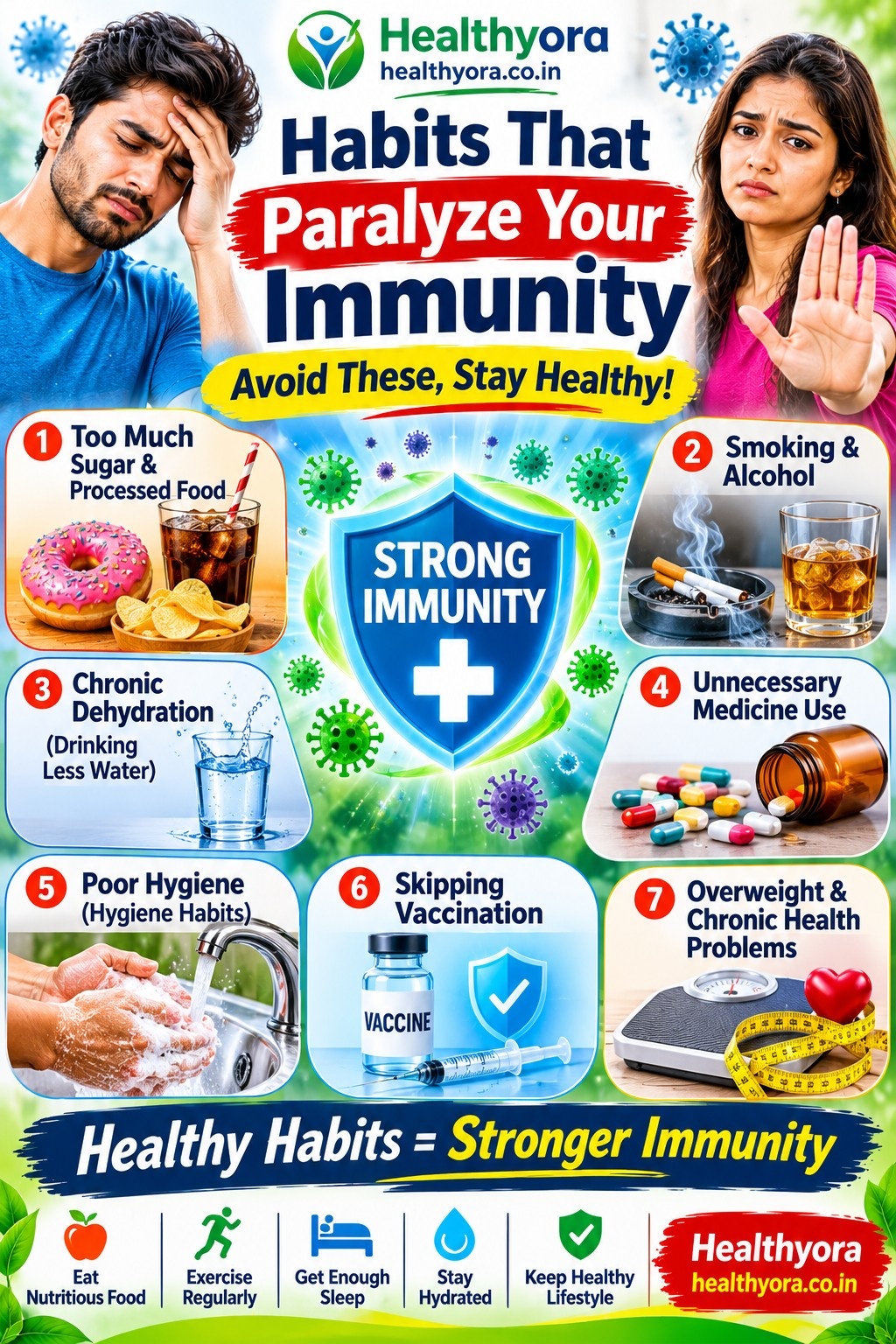
4. Misuse of Unnecessary Medications
Taking antacids or antibiotics frequently without a doctor’s advice for a mild fever or sneezing destroys the beneficial bacteria in the gut, directly crippling the immune system.
5. Build Habits of Hand washing and Hygiene
Even with good immunity, reducing contact with germs is important. Keeping hands clean is one of the easiest and most effective ways to reduce the risk of spreading infections.
Wash hands with soap and clean water for at least 20 seconds, especially:
- Before preparing or eating food.
- After using the toilet.
- After coughing or sneezing.
- After returning home from outside.
- After handling garbage or dirty objects.
- Before and after caring for a sick person.
6. Receive Necessary Vaccines on Time
Vaccination is an important scientific method for keeping the immune system robust. Vaccines help prepare the body’s defense mechanism against specific pathogens. Not just children, but adults also may need certain vaccines depending on age, prior vaccination history, health conditions, occupation, travel, and infection risk.
7. Keep Body Weight & Chronic Health Issues Under Control
Excess weight, uncontrolled diabetes, and certain chronic health conditions can affect the risk of infection or infection-related complications. If you have diabetes, keeping blood sugar levels under control is particularly important. Test blood sugar according to a doctor’s advice, take prescribed medications, and undergo necessary health checkups.
When Should You Understand That Your Immunity Has Weakened? (Warning Signs)
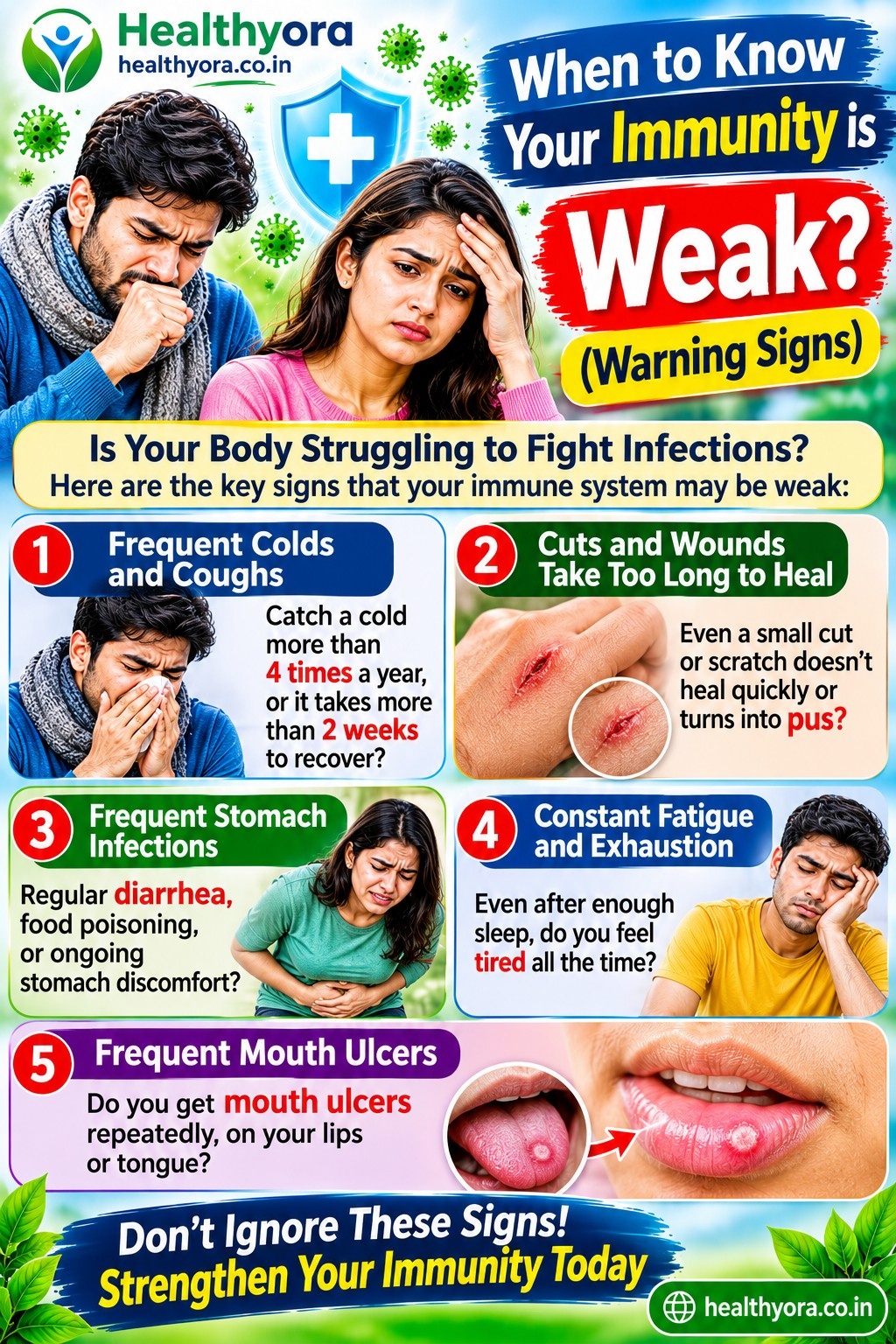
Is your body struggling to fight off infections? The following symptoms are clear signals of a weakened immune system:
- Frequent colds and coughs: Catching a cold more than four times a year or taking more than two continuous weeks to recover from a single cold.
- Cuts and wounds not healing easily: Minor scratches or cuts on the skin taking a long time to heal or quickly turning into pus (a signal of sluggish white blood cells).
- Frequent gut infections: Experiencing regular diarrhea, food poisoning, gas, and stomach discomfort.
- Constant fatigue and exhaustion: Lacking energy from the morning and feeling heavy even after adequate sleep.
- Frequent mouth ulcers: Recurrent sores at the corners of the lips or on the tongue are signs of malnutrition and weak immunity.
Conclusion
The immune system is a complex and vital defense network in our body. To keep it healthy, one should not rely on a single food, drink, exercise, or supplement. Rather, a balanced diet, adequate sleep, regular physical activity, stress management, hygiene, necessary vaccinations, and proper management of chronic health conditions collectively play an important role. Instead of falling ill and seeking treatment from a hospital bed, love your body starting today. Make evidence-based lifestyle habits your daily routine and enjoy a long, vibrant, and disease-free life!
FAQ (Frequently Asked Questions)
1. Does taking commercial vitamin supplements really boost immunity overnight?
Answer: No. No supplement can boost immunity overnight. If there is a medical deficiency of a specific vitamin in the body (such as Vitamin D or zinc), taking supplements under a doctor’s advice yields benefits.
2. Can the immune system ever harm its own body?
Answer: Yes. If the immune system loses its balance and fails to distinguish between the body’s own healthy cells and foreign pathogens, it attacks its own cells, mistaking them for enemies.
3. What is the best way to strengthen the immune system?
Ans. A balanced diet, adequate sleep, regular exercise, stress management, hygiene, and necessary vaccinations—all combined help maintain the normal functioning of the immune system.
4. Which food quickly boosts the immune system?
Ans. Eating a single food does not increase immunity overnight. Regularly consuming diverse foods, including fruits, vegetables, lentils, nuts, whole grains, and appropriate protein, is far more important.
5. Does having diabetes weaken the immune system?
Ans. Uncontrolled diabetes can affect the body’s ability to prevent and recover from infections. Keeping blood sugar controlled, following prescribed treatments, and taking vaccines according to a doctor’s advice are important.
6. Is it possible to fall ill even while living a healthy lifestyle?
Ans. Yes. Healthy habits help reduce the risk of illness, but they cannot prevent all infections. If severe, persistent, or unusual symptoms appear, a doctor should be consulted.
Disclaimer
The information provided in this article is for educational and informational purposes only and should not be considered medical advice, diagnosis, or treatment. Always consult a qualified doctor or healthcare professional regarding any medical concerns, symptoms, or before making changes to your diet, exercise, or treatment plan. Never ignore professional medical advice or delay seeking treatment based on information from this website. Healthyora and the author are not responsible for any decisions or actions taken based on the content of this article.