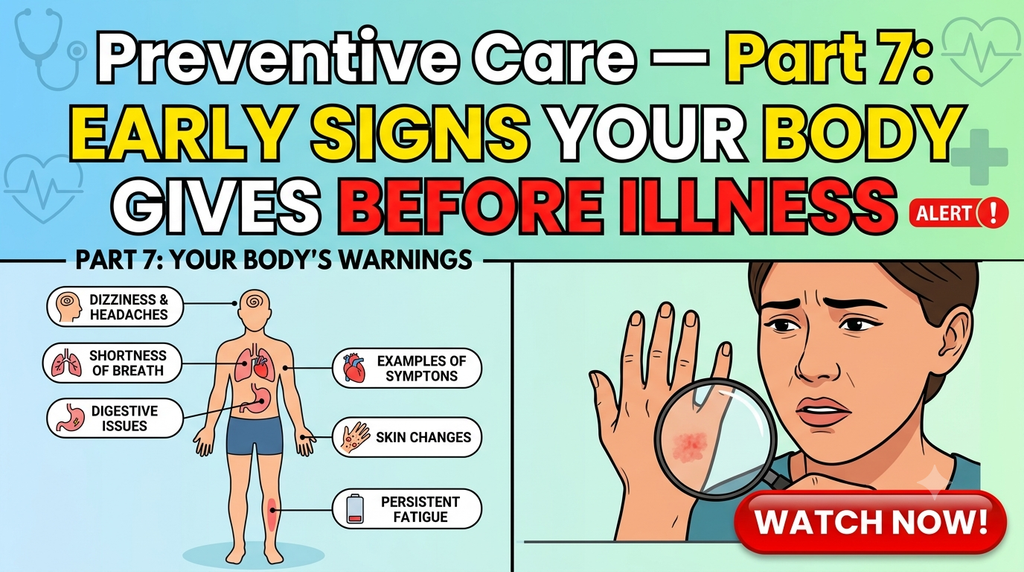
When most people arrive at the hospital emergency department suffering from a sudden heart attack, uncontrolled diabetes, fatty liver, or chronic kidney disease, they think the illness struck overnight. Weeks, months, or sometimes years before any serious chronic illness takes its final form in the body, the body begins sending various subtle signals. The problem is, often we do not give importance to these small signals. Amid busy work hours, stress, irregular sleep, or various daily life factors, we assume that feeling slightly unwell is normal. In many cases, it truly could be due to ordinary reasons. But if any change occurs repeatedly, persists for a long time, or gradually increases, it is important to pay attention to it. One thing to remember here—seeing just one symptom in the body does not mean a specific disease has occurred. Multiple causes can lie behind the same symptom. Therefore, instead of self-diagnosing, it is safer to seek advice from a healthcare professional when needed.
In this article, we will discuss some common early signs that can make us aware of changes in our body.
Early Body Signals to Watch Out For
1. Unusual Fatigue & Weakness
Feeling tired after work is normal. Inadequate sleep, high physical activity, stress, or a busy day can also make the body tired. But if you feel unusually tired every day even after getting adequate sleep and rest, it can be an early warning signal of three major issues:
- Anemia: Due to low hemoglobin, body cells are not receiving adequate oxygen.
- Obstructive Sleep Apnea: The airway temporarily closes during sleep, causing an oxygen deficit in the brain.
- Adrenal Overload: The natural rhythm of the stress hormone cortisol is disrupted due to excessive mental stress.
2. Sudden Weight Loss
If you are gradually losing weight without changing your diet or exercise routine, factors like stress, changes in appetite, digestive problems, nutritional issues, certain metabolic conditions, or other health problems could be behind it. If weight continues to drop consistently without any effort, especially if accompanied by fatigue, loss of appetite, or other new symptoms, it is advisable to consult a healthcare professional.
3. Sudden Weight Gain
Not just weight loss, unusually gaining weight is also a noticeable change. An increase in food intake, reduced physical activity, or lifestyle changes can cause weight gain. But if weight gain is very rapid or unexplained, understanding the underlying cause is important. Sometimes rapid weight gain can also occur due to excess fluid retention in the body. Especially if swelling appears in any part of the body or other new symptoms arise, a doctor should be consulted.
4. Frequent Headaches or Dizziness
Getting an occasional headache is very common. Headaches can occur due to lack of sleep, stress, dehydration, staring at a screen for a long time, or other ordinary causes. However, if serious symptoms such as a sudden severe headache, fainting, severe weakness, or changes in speech or vision occur, it is essential to seek prompt medical attention.
5. Frequent Intense Thirst & Frequent Urination (Polydipsia & Polyuria)
If your mouth feels parched and dry repeatedly even after drinking enough water, and especially if you wake up multiple times at night to urinate, it is the most reliable sign of elevated blood glucose. The kidneys pull extra water from the body to flush out excess sugar from the blood through urine.
6. Tingling or Numbness in Fingers and Toes (Pins and Needles)
If you feel sensations like ants crawling, pinpricks, or sudden numbness in the soles of your feet or palms of your hands, this is an early stage of peripheral neuropathy. This symptom appears when fine blood vessels are damaged due to uncontrolled sugar, drying up nerves, or when there is an acute deficiency of Vitamin B12 in the body.
7. Recurring Digestive Issues
Eating heavily on one day can cause indigestion or bloating. But if digestive problems occur repeatedly, both lifestyle and health need to be considered. This is a clear signal of low stomach acid, small intestinal bacterial overgrowth (SIBO), or food intolerances (such as lactose or gluten intolerance).
8. Thick White Coated Tongue
Check your tongue in the mirror while washing your face in the morning. If a thick white coating accumulates on the tongue that does not easily come off even after brushing, it is a sign of fungal overgrowth in the gut (Candida Overgrowth) or a weakened immune system.
9. Unexplained Bruising
If bruises suddenly appear on your arms or legs without any physical trauma, it can be a sign of a deficiency of blood platelets, Vitamin C or Vitamin K deficiency, or decreased liver function.
10. Extreme Dryness & Intense Itching
If the skin remains dry and rough even after applying moisturizer, and itching occurs all over the body without any visible rash, it can be an early sign of hypothyroidism (reduced thyroid hormone), bile duct blockage, or declining kidney function.
11. Sudden Changes in Bowel Habits
Constipation lasting for several weeks or frequent loose stools without any reason is not a normal matter at all. It can be an early sign of Irritable Bowel Syndrome (IBS), thyroid problems, or polyps or tumors inside the colon or intestines.
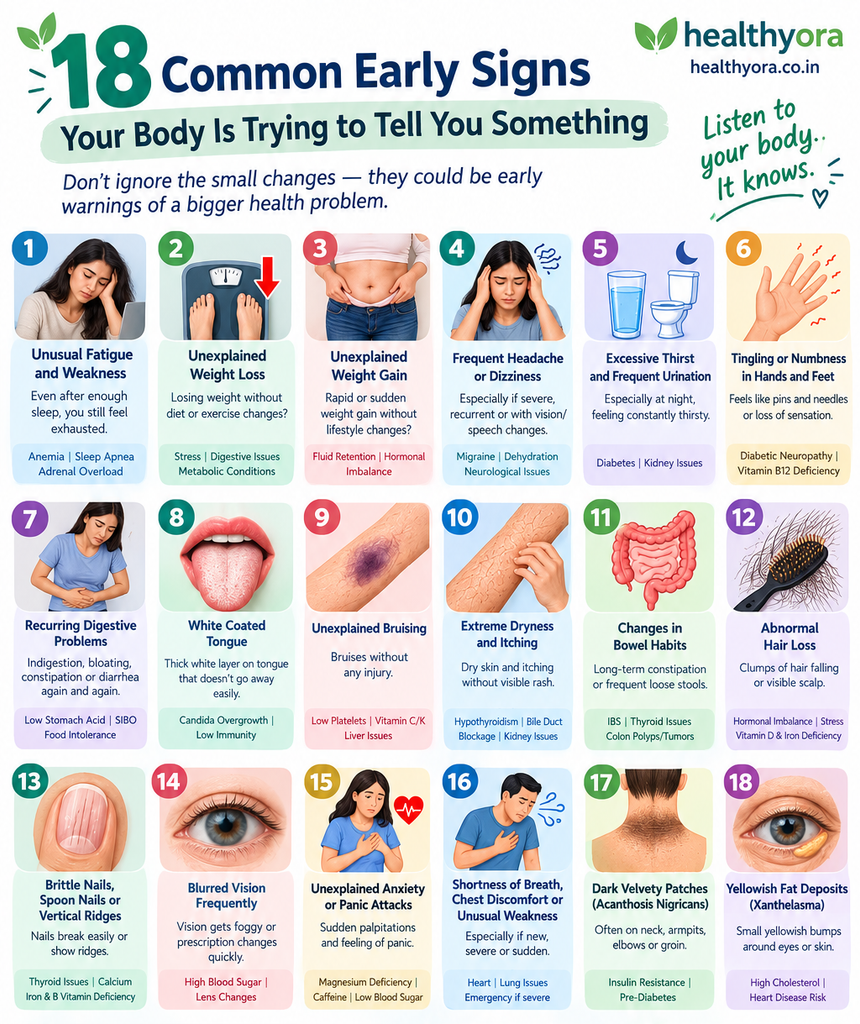
12. Abnormal Hair Fall
Losing 50 to 100 strands of hair daily is normal. But if hair falls out in clumps and the scalp becomes visible down the middle, it indicates hormonal imbalances in androgens (such as PCOS), telogen effluvium caused by severe stress, or deficiencies in Vitamin D3 and ferritin.
13. Brittle Nails, Spoon-Shaped Nails (Koilonychia) & Vertical Ridges
If nails chip and break with slight impact or clear parallel ridges form on the nails, it is a sign of thyroid gland weakness, or deficiencies in calcium, severe iron deficiency, or Vitamin B-complex deficiency. On the other hand, horizontal white lines appearing across the nails indicate long-term zinc and protein deficiencies in the body.
14. Frequently Blurred Vision
If you need to change your eyeglass prescription rapidly within short intervals before reaching age 40, or if vision intermittently feels blurry, it could be a sign of the eye’s lens swelling due to sugar accumulation.
15. Unexplained Anxiety & Panic Attacks
Experiencing sudden palpitations and extreme panic without any logical reason can be the result of a magnesium deficiency in the blood, excessive caffeine intake, or an adrenaline surge caused by a sudden drop in blood sugar.
16. Shortness of Breath, Chest Discomfort, or Unusual Weakness
Shortness of breath or chest discomfort should never be ignored—especially if it is new, severe, or begins suddenly. If severe chest pain/pressure, serious shortness of breath, fainting, or rapid deterioration occurs, emergency medical treatment should be sought.
17. Dark Velvety Patches in Skin Folds (Acanthosis Nigricans)
If the skin on the back of the neck, armpits, inside of elbows, or groin suddenly becomes dark, thick, and velvety rough, many mistake it for simple dirt or sunburn. This is the most reliable indicator of high insulin resistance or prediabetes in the body.
18. Small Fatty Deposits Around the Eyes or on the Skin (Xanthelasma)
If yellowish or whitish soft deposits of fat appear on the eyelids or inner corners of the eyes, it indicates that harmful LDL cholesterol and triglycerides in the blood have reached dangerous levels. This sign is a very clear early warning of heart disease and arterial blockages.
When Should You Speak with a Doctor?
There is no need to panic over every symptom. Many common symptoms have ordinary causes. However, seeking medical advice is advisable if:
- Any symptom occurs repeatedly
- Persists for several weeks
- Gradually increases in intensity
- Impacts daily activities
- Unexplained weight change occurs
- Persistent fatigue is present
- Digestive problems continue long-term
- Any new lump or unusual skin change appears
- Recurrent breathing or chest-related symptoms occur
- Sudden numbness on one side of the body (sign of a brain stroke)
- Fresh blood is passed in stool or cough (signs of gastric ulcer, colon tumor)
What Should You Do When You Receive Body Signals?
After receiving body signals, it is important to take calm steps without panicking:
- Do not suppress signals with painkillers and antacids: Stop the bad habit of taking pain relievers whenever a headache occurs or taking antacids whenever the stomach feels bloated.
- Maintain a ‘Symptom Journal’: Note in a diary or phone which foods cause stomach problems, at what times energy drops, or for how many days sleep has been disrupted.
- Do not self-treat based on Google: Searching on the internet even for mild dizziness often shows it as a brain tumor. Information on the internet is for general awareness; always consult a registered general physician or medical specialist for proper diagnosis.
- Get basic blood tests done on time: As soon as you receive signals from your body, consult a doctor to undergo CBC, fasting blood sugar, lipid profile, and liver and kidney function tests.
How Preventive Care Can Help
Preventive care does not just mean getting a health checkup once a year. It is a continuous process of staying conscious of changes in your own body.
It can include:
- Balanced diet
- Regular physical activity
- Adequate sleep
- Stress management
- Good hygiene
- Recommended vaccinations
- Health screening as needed
- Observing unusual changes in your body
Conclusion
Instead of only seeking treatment after a problem arises, staying aware of your own health in advance is very important. Our body can often signal through small changes before an illness manifests. Not all signals are symptoms of severe problems, but ignoring unusual changes for a long time is not a good habit either. Consult a doctor as soon as you receive any signal from the body. If a disease is detected at an early stage, complete recovery is possible through simple changes in diet and lifestyle. Staying conscious of your own body is an essential part of taking care of your health.
FAQ
1. What does frequent occurrence of mouth or gum ulcers indicate?
Answer: Frequent mouth ulcers indicate an acute deficiency of Vitamin B12, folate, iron, or zinc in the body.
2. Is it possible to detect liver disease before the eyes turn yellow?
Answer: Definitely. Long before jaundice turns the eyes yellow, the liver gets affected by fatty liver disease.
3. What steps should be taken upon noticing symptoms of insulin resistance?
Answer: Completely eliminate refined sugar and refined flour from your diet. Engage in at least 30 minutes of brisk walking or weight training daily, and consult a doctor to have fasting insulin and HbA1c tests done.
4. Can excessive thirst be a symptom of diabetes?
Ans. Yes, excessive thirst and frequent urination can be among the well-known symptoms of diabetes.
5. What should be done if sudden weight loss occurs?
Ans. If you are losing weight without changing your diet or exercise routine, the cause should be investigated. It is best to seek medical advice, especially if other symptoms are present.
6. What should be done if feeling tired all the time?
Ans. Pay attention to your sleep, diet, physical activity, and stress levels. If fatigue persists long-term even after adequate rest, consult a healthcare professional.
Disclaimer
The information provided in this article is for educational and informational purposes only and should not be considered medical advice, diagnosis, or treatment. Always consult a qualified doctor or healthcare professional regarding any medical concerns, symptoms, or before making changes to your diet, exercise, or treatment plan. Never ignore professional medical advice or delay seeking treatment based on information from this website. Healthyora and the author are not responsible for any decisions or actions taken based on the content of this article.